Hospitality is still one of the most attractive sectors for starting a business in Barcelona. But is it really a good time to buy a bar, café or restaurant and launch your own project? The answer depends on many factors: the type of business, the concept, the location, management skills and, above all, planning ahead.
A deeply rooted sector
Hospitality is part of how we live and socialise. In Barcelona, as in many other cities, bars, cafés and restaurants are meeting places: we meet friends, share family meals, get together with colleagues or simply take a break during the day.
Eating and drinking are everyday needs. Doing it out isn't essential, because we can cook at home, but we all know there are times when we fancy popping down to the bar below the flat, eating at a restaurant or getting something to take away. And let's be honest, who doesn't like having a plate served at the table?
Hospitality venues are also a social space: we can chat, meet people, work for a while on a laptop or simply relax over a coffee, a beer or a glass of wine.
This deep-rooted habit explains why Barcelona has so many hospitality businesses and why many of them do well. We all have our favourite places and go for different reasons: the food, the service, the atmosphere, the location or simply because we feel at home there.
That's why buying or opening a hospitality business can be an interesting opportunity. But demand existing doesn't mean any venue will succeed.
Trends: an opportunity, but also a risk
Hospitality also runs on trends. In recent years we've seen the rise of cupcake shops, brunch places, smoothie bars and specialty coffee shops.
Every concept has its moment and can find its audience. A business being fashionable doesn't mean it will disappear once the novelty wears off: some concepts become established and turn into a regular choice.
The problem comes when a trend spreads too fast and too many similar venues cluster together. At some point supply may exceed demand, and not all of them will achieve the turnover they need to be profitable.
So before betting on a concept, it's worth assessing whether it meets a real demand and can last. Opening a business because we believe in the project is not the same as doing it just because we see others doing well.
Increasingly tight costs and margins
Although hospitality remains attractive, it has drawbacks worth knowing before investing.
One of the main ones is that net margins have been shrinking over the years. Costs have gone up, especially raw materials and the products needed to operate. On top of that come the fixed costs of any venue:
- Rent for the premises.
- Staff and related costs.
- Water, electricity and gas.
- Taxes and other running costs.
- Product and raw material purchases.
When these costs rise, the margin shrinks. That doesn't necessarily mean the business stops being profitable, but it may earn less than before with a similar level of activity.
In hospitality there's also a fundamental point: there has to be footfall and turnover. If a bar or restaurant doesn't attract customers, the fixed costs keep arriving every month. And with high costs, keeping the business going can become very difficult.
That's why a nice venue or a good idea isn't enough. You need a good product, good customer service, clean premises and prices that match what you serve. They're basics, but they're what brings customers back.
Why a good business plan matters
Before opening or buying a venue, we recommend preparing a good business plan. There's an unwritten rule in business: hope for the best and prepare for the worst.
In practice, it means considering the different situations that may arise once the business is up and running. It's not enough to work out how much you'll turn over if everything goes well. You also need to ask what would happen if sales were lower than expected, if certain costs rose or if you needed to hire more staff.
To do that you need a cost plan that's as complete as possible and to study different turnover scenarios: what income the venue needs to cover its costs and at what level of activity it starts to make a profit.
Business plans aren't always followed to the letter, and reality can differ from the forecast. But a well-made plan gives you a starting point and, above all, lets you see where you stand, what's going wrong and how to act. It doesn't guarantee success, but it helps you decide wisely and anticipate difficulties.
So, is it a good time?
We believe hospitality still offers opportunities for those with a vocation for it, who know the trade or have a well-thought-out project. Eating, drinking and socialising outside the home remain part of our habits.
That said, the financial risk will depend largely on who runs the business, the concept, the location and its ability to generate enough turnover. Buying a traditional venue with an established clientele is not the same as betting on a new concept that still has to find its audience.
It's also important to analyse the specific features of the premises and not get carried away by the excitement of starting out. A good opportunity can turn into a bad investment if costs, turnover potential and the venue's conditions aren't properly studied.
In short: yes, it can be a good time to buy or start a hospitality business, provided it's done with knowledge, prudence and realistic planning. Hospitality offers many possibilities, but it demands hard work, dedication and the ability to adapt.
If you're thinking of opening a bar, café or restaurant, or buying a business that's already trading in Barcelona, study it carefully before deciding. At HabitaRetail we help you assess the venue and the deal so your project starts on a solid footing.
General information, up to date as of the publication date. Every transaction has its own particularities: before making a decision, ask about your specific case.
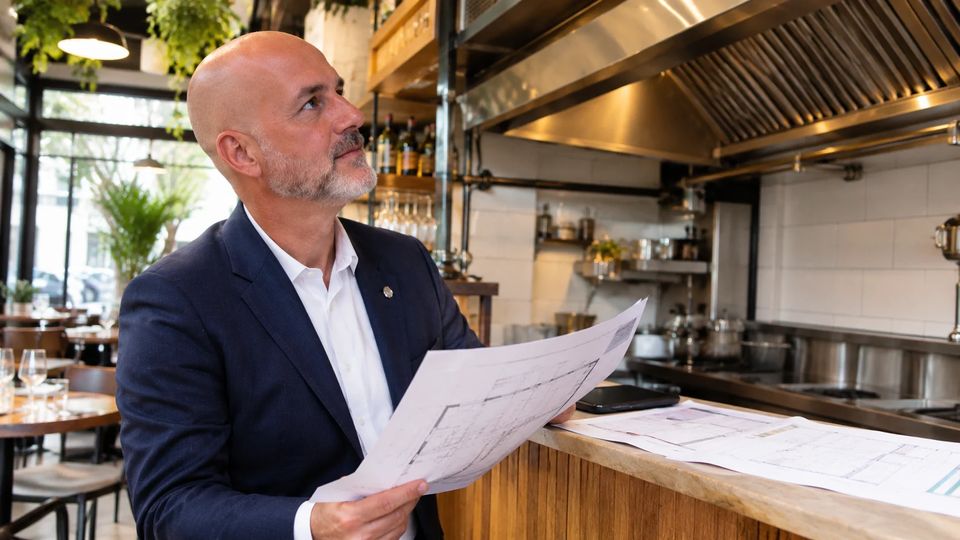
Image: illustrative recreation, created or edited with artificial intelligence tools.

Meet the team